
What’s the Best SLS-Free Toothpaste for Sensitive Gums?
Table of Contents
Sodium lauryl sulphate (SLS) serves as the surfactant which produces foam in most traditional toothpaste products. Although it produces foam and spreads flavour well, scientific research and patient experiences show that high SLS concentrations cause mucosal tissue irritation, especially for patients who have sensitive gums and dry mouths and existing inflammation.
SLS removal from daily oral care routines produces the best results for people who deal with repeated mouth soreness, bleeding during brushing, and aphthous ulcers. Users often find that SLS-free toothpaste products help them decrease mouth discomfort yet maintain superior plaque removal, bacterial control, and extended gum health benefits.
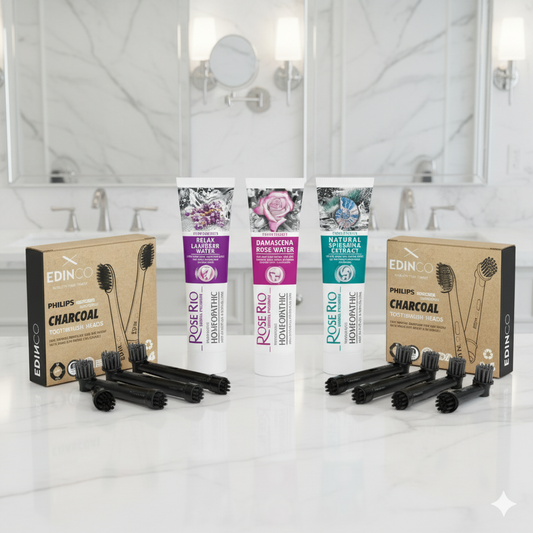
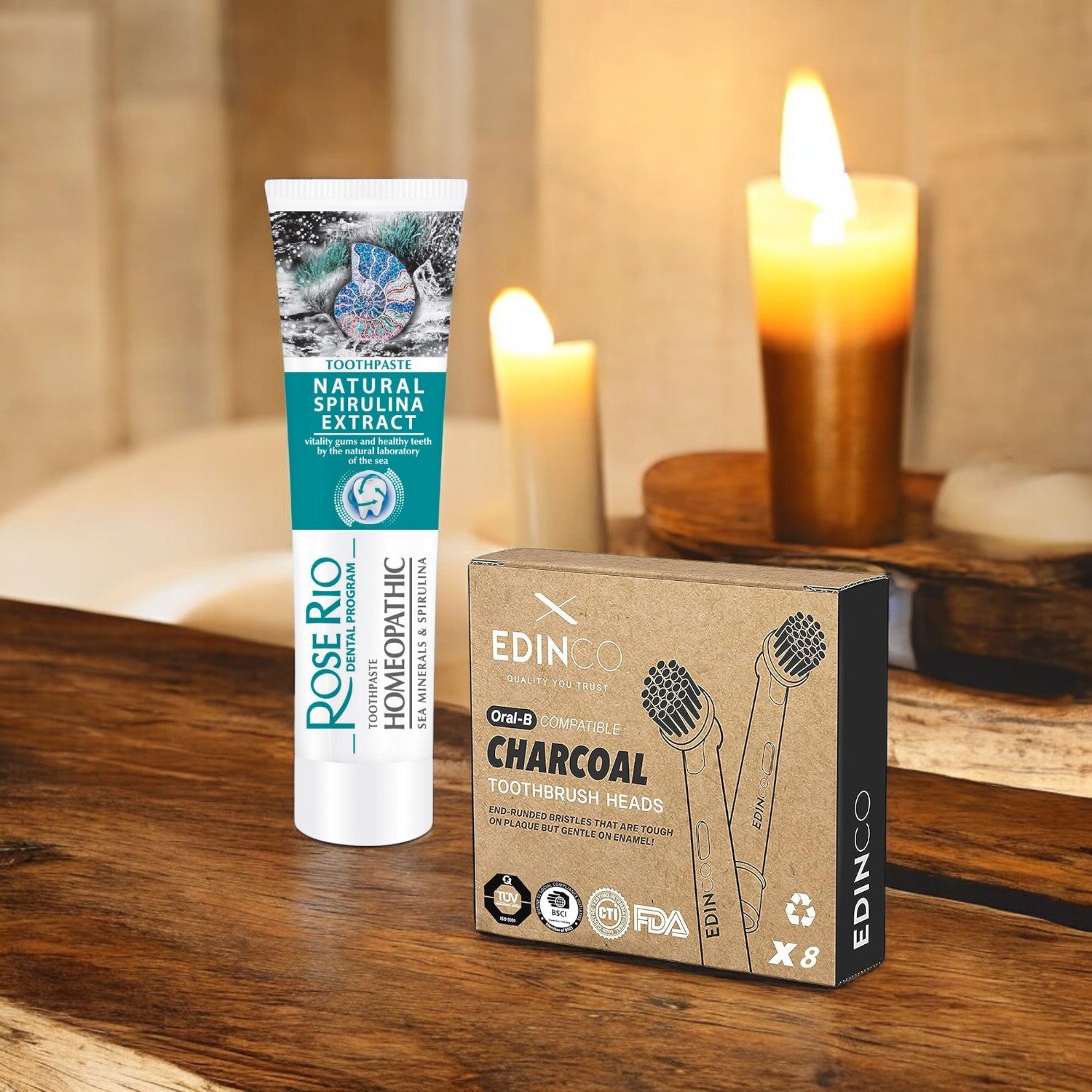
Edinco is a UK-based company dedicated to everyday care without everyday waste. Founded by dentists and engineers from leading British universities, we create naturally derived toothpastes that are fluoride-free and designed to support gum health. Our range of products uses recyclable aluminium tubes and pairs them with recyclable charcoal toothbrush heads (separate models for Oral-B and Philips Sonicare).
This guide explores SLS's role in dental health, key ingredients for relief, and how to choose toothpaste that aligns with science and sustainability.
Explore Edinco’s naturally derived formulas at Edinco
What Is SLS in Toothpaste — and Why Can It Harm Sensitive Gums?
SLS is a synthetic surfactant in most toothpastes, responsible for the foam that makes brushing feel effective. The product delivers advantages through its ability to improve ingredient dispersion and enhance debris elimination. People who have sensitive oral mucosa are at risk of damage from excessive amounts of SLS.
What Does Sodium Lauryl Sulfate (SLS) Do in Conventional Toothpaste?
SLS lowers surface tension, allowing toothpaste to spread evenly and create foam. This helps disperse flavours, remove debris, and give you that "clean" feeling. It is usually included at 0.5–2.0% for stability, but this concentration can be problematic for sensitive users.
Why Is SLS Linked to Gum Irritation and Canker Sores?
SLS denatures mucosal proteins, increasing permeability and causing desquamation. Clinical studies show it can trigger inflammation and aphthous ulcers, with randomised trials reporting a higher incidence in SLS groups. Symptoms often resolve rapidly upon switching to alternatives with lower SLS.
Who Should Avoid SLS in Oral Care Products — Especially in the UK?
Those with bleeding gums, dry mouth, or canker sores must avoid SLS in oral care products. In the UK, where xerostomia affects many due to medications, it can exacerbate issues.
Looking to explore alternatives? Discover our naturally derived formulas at Edinco
What Ingredients Should You Look for in an SLS-Free Toothpaste for Sensitive Gums?
Focus on gentle surfactants, anti-inflammatory agents, and microbiome supporters for soothing relief.
Are Natural, Plant-Based Surfactants Effective Replacements for SLS?
Yes. Coco-glucoside and decyl glucoside provide foaming without barrier disruption. Clinical comparisons show equivalent plaque removal with lower irritation.
How Do Essential Oils Like Lavender and Rose Benefit Gum Health?
Lavender’s linalool inhibits pathogens and reduces inflammation; rose’s polyphenols protect collagen. Studies show decreased markers within four weeks.
Why Is Xylitol Clinically Shown to Reduce Plaque and Bacteria?
Xylitol inhibits S. mutans, reducing plaque significantly. Long-term trials support the prevention of caries as well.
What Role Does Spirulina Play in Oral Microbiome Support?
Spirulina supplies minerals for dentin strengthening and antioxidants for inflammation control. Evidence shows reduced sensitivity after just eight weeks.
Can Charcoal Whiten Teeth Without Irritating Sensitivity?
Low-abrasive activated charcoal adsorbs stains without wear. Studies confirm shade improvement with no sensitivity increase.
Discover Edinco’s toothpaste product page with strong testimonials at Edinco
Who Needs SLS-Free Toothpaste the Most — and How Do You Know If You’re One of Them?
SLS sensitivity across the population shows wide variation, but people with damaged mucosal barriers, low saliva production, and existing inflammation experience increased sensitivity. Identifying whether you fall into one of these categories can guide the decision to switch to SLS-free formulations.
What Are the Signs of SLS Sensitivity or Allergic Reactions?
Common indicators of SLS sensitivity include:
-
The mouth develops a burning or stinging feeling while brushing and right after brushing, which lasts even after rinsing.
-
The inner cheeks, lips, and tongue start to peel and become dry.
-
The user experiences canker sores (aphthous ulcers), which develop quickly after using toothpaste but disappear when switching to different products.
-
The gums show signs of redness and bleeding, which do not relate to plaque buildup.
-
The removal of SLS from your diet results in relief from all mucosal discomfort.
SLS disrupts the protective protein layer on the oral mucosa, which leads to increased permeability and allows irritants to penetrate more deeply into the tissue. Users of SLS-containing products experience symptom disappearance after they stop using these products, according to clinical studies.
Are SLS-Free Formulas Better for Children and Older Adults?
Yes. Children possess thinner and more permeable mucosal barriers, making them more susceptible to irritant effects. The condition of xerostomia (dry mouth) develops in older adults because of multiple medication use and natural changes in salivary gland function, which decreases surfactant dilution and increases irritation. The risk of skin irritation becomes minimal when people use SLS-free products since these products keep their cleaning power intact.
The dental guidelines for children and elderly patients suggest using mild surfactant-free products because these products prevent discomfort and help patients maintain their daily oral hygiene practices.
How Does SLS Impact People With Conditions Like Dry Mouth, Ulcers, and Periodontitis?
-
Dry mouth (xerostomia): The body’s natural ability to buffer and clear SLS gets restricted when saliva production decreases, which leads to longer exposure times and worsens irritation.
-
Recurrent ulcers: SLS functions as a direct toxic substance to cells, while it makes it easier for antigens to enter the body, which leads to aphthous stomatitis in individuals who are vulnerable to this condition.
-
Periodontitis: The active inflammatory state of tissues makes them more prone to damage, while SLS exposure creates longer healing times and higher levels of discomfort after treatment during maintenance periods.
SLS-free toothpastes support recovery by removing this additional chemical stressor, allowing natural healing processes to proceed unhindered.
Can Long-Term Use of SLS Cause Cumulative Gum Damage?
While SLS is not causative of periodontitis, chronic low-grade irritation in susceptible individuals may contribute to sustained inflammation and delayed tissue repair. Longitudinal observations suggest that persistent mucosal stress can influence marginal tissue stability over time, though direct causation remains under investigation.
Professional assessment is recommended for persistent symptoms to distinguish SLS irritation from underlying pathology. SLS-free product usage offers a safe and effective treatment option for people who match these profiles according to clinical studies and patient results.
Discover Edinco’s natural toothpastes at Edinco
How Do You Choose an Effective SLS-Free Toothpaste That’s Also Eco-Friendly?
Selection requires evaluation of both clinical performance and environmental impact.
Certifications and Labels
Prioritise:
-
Independent verification of SLS-free status through full ingredient disclosure
-
Low RDA (<70) confirmed by enamel abrasion testing
-
Recyclable or returnable packaging with documented recovery rates
-
Transparent sourcing and manufacturing standards (e.g., ISO 22716 GMP)
Verifying Sustainability Claims
Look for structured recovery programmes rather than vague labelling. Brands offering postage-reimbursed return schemes demonstrate a genuine commitment to circular economy principles. Aluminium tubes accepted through standard kerbside collection provide superior end-of-life outcomes compared to mixed plastics.
UK-Made Options With Clinical Backing
Edinco formulations are developed by British dental professionals and independently tested for efficacy, stability, and mucosal compatibility. Manufacturing occurs under ISO 22716 GMP standards, ensuring consistency and safety.
Environmental Impact of Toothpaste Tubes
Conventional plastic tubes contribute to persistent waste streams, with less than 10 % recycled in the UK. Recyclable aluminium tubes accepted through standard collection or dedicated schemes eliminate this burden while maintaining product integrity and shelf life.
Edinco’s buy-back scheme accepts any brand’s used items, providing postage reimbursement via voucher and creating a genuine closed-loop system accessible worldwide.
Every Edinco toothpaste is recyclable. Shop at Edinco
How Does Edinco’s SLS-Free Toothpaste Compare to Other Natural Brands in the UK?
Edinco distinguishes itself through:
-
Clinical formulation rigour by British dental professionals
-
Structured material recovery accepting any brand’s used items
-
Compatibility with electric brushes via recyclable charcoal heads
-
Independent verification of efficacy and stability
These elements combine to deliver measurable outcomes for sensitive gums while advancing circular economy objectives.
What Do Customers Say About Switching to Natural Toothpaste with Edinco?
Verified purchasers consistently report:
-
Immediate reduction in mucosal irritation and burning sensation during brushing
-
Decreased bleeding and tenderness within seven to fourteen days of switching
-
Preference for subtle botanical flavours over strong mint or artificial sweeteners
-
Sustained gingival comfort and improved breath freshness with continued use
-
Appreciation for recyclable packaging and the practical buy-back recycling scheme
Excellent reviews from verified customers on Trustpilot and Judge.me reflect consistent satisfaction with comfort, efficacy, and sustainability principles. Representative comments include:
“Such a beautiful lavender” -Tracy Powell-Taylor
“Such a beautiful lavender, fluoride-free toothpaste. The lavender water is so soothing and calming, and tastes so lovely. Also, to my surprise, the shade of the toothpaste is a gorgeous lavender colour too. I was amazed by how gentle this toothpaste is, and mint-free, as I find mint can be too overpowering. Using this toothpaste made my mouth feel completely soothed, and my teeth were gently cleaned. The relaxing effects of lavender are very calming. Absolutely delighted with the product, delivery was prompt, and the subscription option offered is value for money.”
These outcomes align with published research on the individual active ingredients and demonstrate that microbiome-supportive, low-abrasive formulations deliver measurable benefits for gingival health in real-world use.
How Can You Make the Switch to SLS-Free, Zero-Waste Toothpaste Seamlessly?
Transitioning to SLS-free toothpaste is straightforward and frequently provides rapid relief.
Immediate Switch
No phasing required. Immediate discontinuation of SLS-containing products typically resolves irritation within days.
Packaging Recovery
Edinco’s buy-back scheme accepts any brand’s used items. Collect over one to three months, post in any envelope to 1 Copper Street, London SE1 2LH, upload postage receipt photograph via the recycling page, and receive a voucher covering costs, redeemable site-wide and combinable with subscription discounts.
Optimal Brushing Practices
-
Use extra-soft bristles to prevent mechanical trauma
-
Apply light pressure with small circular motions
-
Maintain a two-minute duration twice daily
-
Position the brush at a 45-degree angle to the gum line
Electric Brush Compatibility
Edinco’s recyclable charcoal heads enhance gentle cleaning while maintaining antimicrobial properties, compatible with different Oral-B and Philips Sonicare models.
Monitoring Progress
Document changes in bleeding, tenderness, and comfort over four weeks. A professional review every six months ensures long-term stability.
This protocol integrates clinical efficacy with circular economy principles, delivering both gingival health improvement and environmental responsibility.
What’s Next in the Future of Eco-Conscious Toothpaste?
Advancements in sustainable oral care include:
-
Fully biodegradable plant-based tubes using advanced polymers
-
Enhanced prebiotic formulations that actively feed beneficial bacteria
-
Personalised oral care through diagnostic apps and AI-driven recommendations based on salivary microbiome analysis
-
Integration of post-consumer recycled materials in packaging while maintaining clinical standards
Edinco continues to lead with recyclable aluminium, structured recovery systems accepting any brand, and ongoing formulation development aligned with clinical and environmental priorities. Future launches will maintain the commitment to naturally derived, Natural ingredients while expanding compatibility and impact measurement.
The convergence of clinical science and circular design represents the next phase of oral health innovation.
FAQs
1. What does SLS-free toothpaste mean?
SLS-free toothpaste omits sodium lauryl sulfate, a foaming agent that can irritate soft tissues in the mouth and worsen gum sensitivity.
2. Why choose SLS-free toothpaste for sensitive gums?
SLS can strip protective mucous layers and lead to irritation or canker sores. SLS-free options help reduce irritation and inflammation for sensitive mouths.
3. Does SLS-free toothpaste clean effectively?
Yes. SLS-free formulas use milder surfactants that still remove plaque and debris while being gentler on gums.
4. What ingredients help sensitive gums?
Look for aloe vera, xylitol, zinc citrate, fluoride (if desired), and calming herbs like chamomile or green tea.
5. Is SLS-free toothpaste good for people with gingivitis?
It can help reduce irritation, but persistent symptoms should be evaluated by a dentist, as gingivitis requires comprehensive care.